
A saving statement represents more than just a record of financial transactions. It serves as a comprehensive snapshot of your account activity, balance fluctuations, and overall financial health during a specific period. Whether you're managing personal finances, running a small business, or preparing for tax season, understanding how to read and utilize a saving statement effectively can transform your approach to financial management. These documents provide critical insights into spending patterns, savings growth, and account performance that inform better decision-making.
What Is a Saving Statement and Why It Matters
A saving statement is a periodic document issued by financial institutions that details all transactions, interest earned, fees charged, and balance information for a savings account during a specified timeframe. Most banks provide these statements monthly or quarterly, depending on account type and customer preferences.
The primary purpose of a saving statement extends beyond simple record-keeping. These documents serve as official proof of funds, verification of income sources, and essential tools for reconciling accounts. Financial institutions generate saving statements to maintain transparency and help customers track their financial activities with precision.
Key Components of a Saving Statement
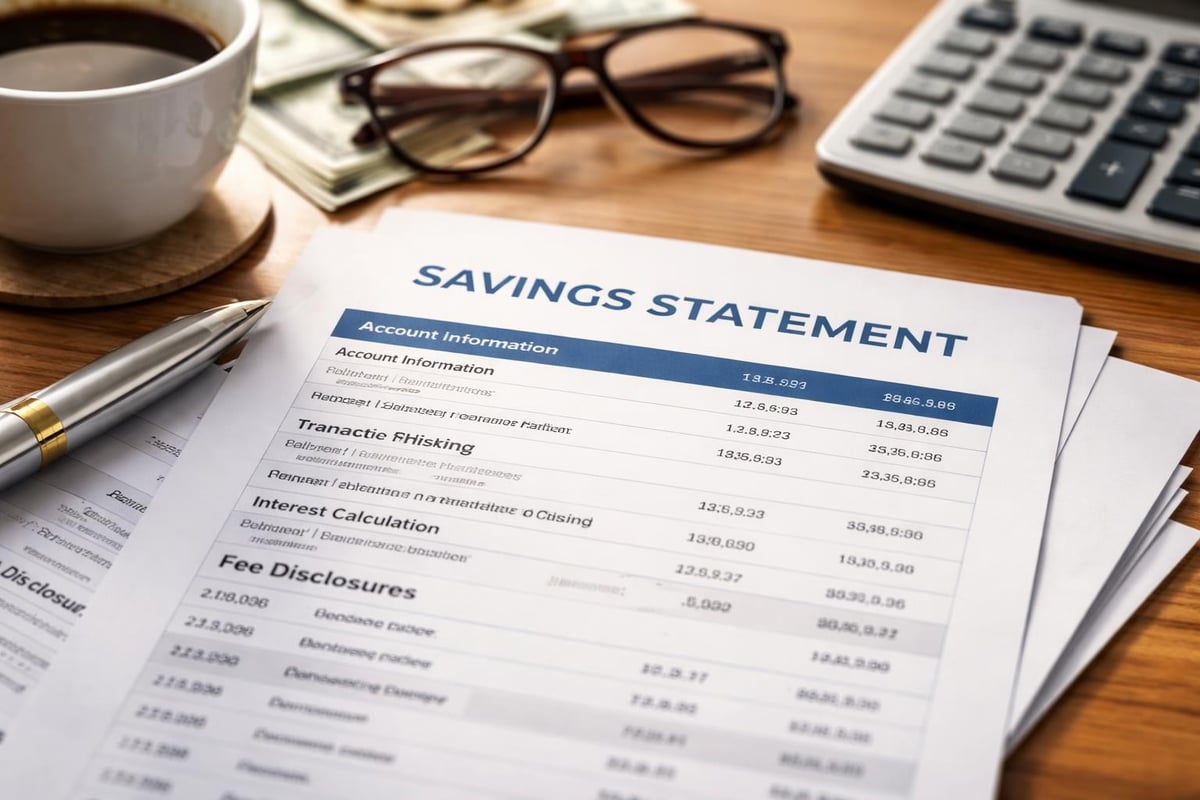
Every saving statement contains several standard elements that provide comprehensive account information:
- Account holder information including name, address, and account number
- Statement period showing the beginning and ending dates
- Beginning and ending balances that frame the statement period
- Transaction details listing all deposits, withdrawals, and transfers
- Interest earned during the statement period
- Fees and charges applied to the account
- Year-to-date summaries for tax preparation purposes
Understanding each component helps account holders verify accuracy and identify potential discrepancies. The transaction section typically includes dates, descriptions, and amounts for each activity, creating a chronological record of account movement.
Different Types of Saving Statements
Financial institutions offer various statement savings accounts, each with unique features tailored to different customer needs. The type of account directly influences the format and content of the saving statement you receive.
Traditional Statement Savings Accounts
Traditional statement savings accounts represent the most common type, offering basic savings features with regular statement delivery. These accounts typically provide modest interest rates and may include minimum balance requirements. The saving statement for these accounts focuses on straightforward transaction tracking and interest accrual.
| Feature | Traditional Savings | High-Yield Savings | Money Market |
|---|---|---|---|
| Interest Rate | 0.01% - 0.10% | 0.50% - 4.00% | 0.25% - 3.50% |
| Minimum Balance | $0 - $100 | $500 - $10,000 | $1,000 - $10,000 |
| Monthly Transactions | 6-10 | 6 | 10-20 |
| Statement Detail | Basic | Detailed | Comprehensive |
High-Yield and Online Savings Statements
High-yield savings accounts, often offered by online banks, provide superior interest rates compared to traditional options. The saving statement for these accounts emphasizes interest calculations and compound growth, making it easier for savers to track their earnings over time. These statements often include helpful graphics and year-over-year comparisons.
Online-only institutions have revolutionized statement delivery by offering real-time access through digital platforms. Customers can download their saving statement in multiple formats, including PDF and CSV files. For businesses managing multiple accounts, converting these PDF statements to spreadsheets can streamline accounting processes and financial analysis.
How to Read and Analyze Your Saving Statement
Reading a saving statement effectively requires attention to detail and understanding of financial terminology. Start by verifying the statement period matches your expectations, then confirm the beginning balance matches the previous statement's ending balance.
Transaction Verification Process
Follow these steps to ensure accuracy:
- Compare the beginning balance with your previous statement's ending balance
- Review each transaction against your personal records or receipts
- Verify deposit amounts match your documentation
- Check withdrawal accuracy including ATM transactions and transfers
- Calculate interest earned to confirm proper crediting
- Identify any fees and understand their justification
- Confirm the ending balance matches your current account status
Discrepancies between your records and the saving statement require immediate attention. Contact your financial institution within the timeframe specified on the statement, typically 60 days, to dispute errors or unauthorized transactions.
Understanding Interest Calculations
The interest section of your saving statement reveals how your savings grow over time. Financial institutions calculate interest using various methods, including daily, monthly, or quarterly compounding. The statement should clearly indicate the annual percentage yield (APY) and how interest was computed during the period.
Understanding the fundamental concepts of saving helps contextualize how interest accumulates and contributes to wealth building. Your saving statement provides tangible evidence of this growth, motivating continued financial discipline.

Digital vs. Paper Saving Statements
The choice between digital and paper saving statements affects accessibility, storage, and usability. Each format offers distinct advantages depending on your financial management style and business needs.
Benefits of Digital Statements
Digital saving statements provide numerous advantages for modern financial management:
- Instant access from any device with internet connectivity
- Searchable transaction history for quick reference
- Environmentally friendly with no paper waste
- Reduced risk of mail theft or loss
- Easy integration with accounting software
- Unlimited storage without physical space requirements
Most financial institutions now offer digital statements as the default option, with paper statements available upon request. The digital format particularly benefits businesses and individuals who need to maintain secure financial records while minimizing physical storage.
Managing Paper Statements
Paper statements still serve important purposes for certain users and situations. Some prefer physical records for budgeting, while others require paper documentation for specific legal or financial purposes.
When managing paper saving statements, implement a systematic organization approach. Store statements chronologically in labeled folders, retain them for at least seven years for tax purposes, and consider digitizing older statements to reduce physical storage needs while maintaining accessibility.
Practical Applications of Saving Statements
Saving statements serve multiple practical purposes beyond basic account monitoring. These documents become essential tools in various financial and legal scenarios.
Tax Preparation and Documentation
During tax season, saving statements provide crucial documentation for interest income reporting. The IRS requires taxpayers to report all interest earned, and your saving statement summarizes this information clearly. Many statements include year-end summaries specifically designed for tax preparation.
Understanding key saving terminology helps when reviewing tax-related sections of your statement. Interest income, early withdrawal penalties, and certain fees may have tax implications that require accurate reporting.
Loan Applications and Financial Verification
Lenders commonly request saving statements when evaluating loan applications. These documents demonstrate financial stability, savings habits, and available reserves. A well-maintained saving statement history can strengthen applications for mortgages, auto loans, or business financing.
The verification process typically requires three to six months of consecutive statements. Lenders analyze deposit patterns, account balance trends, and overall financial behavior to assess creditworthiness and repayment capacity.
Saving Statement Best Practices for Businesses
Businesses face unique challenges in managing saving statements across multiple accounts and entities. Implementing robust processes ensures accurate financial tracking and regulatory compliance.
Automated Statement Processing
Modern businesses increasingly rely on automated solutions to handle high volumes of financial documents. Converting PDF bank statements to spreadsheets eliminates manual data entry and reduces human error. This approach proves particularly valuable during month-end closing procedures and financial audits.
Organizations should establish standardized procedures for statement review, approval, and filing. Designate specific team members responsible for reconciliation, implement dual-control verification for large transactions, and maintain secure systems for sensitive financial data.
Multi-Account Management Strategies
Companies operating multiple savings accounts need efficient systems to track and analyze each saving statement individually while maintaining consolidated oversight. Consider these approaches:
| Strategy | Benefits | Implementation |
|---|---|---|
| Centralized Repository | Single access point for all statements | Cloud storage with organized folders |
| Automated Reconciliation | Faster month-end closing | Accounting software integration |
| Standardized Naming | Easy document retrieval | Consistent file naming conventions |
| Regular Review Schedule | Timely error detection | Weekly or bi-weekly reviews |

Common Saving Statement Issues and Solutions
Even with careful attention, account holders occasionally encounter saving statement problems requiring resolution. Recognizing common issues helps address them quickly and effectively.
Addressing Transaction Errors
Transaction errors range from incorrect amounts to missing deposits or unauthorized withdrawals. When you identify an error on your saving statement, document the discrepancy with supporting evidence such as receipts, deposit slips, or transfer confirmations.
Contact your financial institution immediately, preferably within 60 days of receiving the statement. Most banks provide dedicated customer service channels for dispute resolution and will investigate promptly when provided with clear documentation.
Resolving Missing or Delayed Statements
Missing statements disrupt financial record-keeping and may indicate delivery issues or account problems. If you haven't received your saving statement by the expected date, verify your contact information is current with your bank. Online banking platforms typically provide immediate access to current and historical statements regardless of delivery issues.
For businesses relying on timely financial reporting, delayed statements can impact closing procedures and decision-making. Establishing redundant access methods, such as both email delivery and online portal access, ensures continuous availability of critical financial documents.
Maximizing the Value of Your Saving Statement
A saving statement becomes more valuable when actively used for financial planning and analysis. Rather than simply filing these documents, extract actionable insights that improve financial outcomes.
Trend Analysis and Goal Setting
Review multiple saving statements to identify patterns in your savings behavior. Calculate your average monthly deposit amount, track interest growth over time, and assess whether you're meeting savings goals. This analysis reveals whether adjustments to your savings strategy could accelerate progress toward financial objectives.
Create visual representations of your savings trends by charting ending balances over consecutive statement periods. This perspective helps maintain motivation during longer-term savings campaigns and clearly illustrates the impact of consistent contributions.
Budget Optimization Insights
Each saving statement contains clues about spending and saving patterns that inform budget adjustments. Frequent withdrawals may indicate insufficient emergency fund allocation in checking accounts, while consistently high balances might suggest opportunities for higher-yield investment options.
Analyze the timing and frequency of deposits to ensure optimal cash flow management. Regular, predictable contributions typically generate better long-term results than sporadic large deposits, as they maximize compound interest benefits and establish sustainable financial habits.
Regulatory Requirements and Statement Retention
Financial regulations mandate specific statement practices for both institutions and account holders. Understanding these requirements ensures compliance and protects your financial interests.
Legal Retention Periods
Tax authorities and financial regulators specify minimum retention periods for saving statements and related financial documents. Generally, maintain statements for seven years to cover potential audits, warranty claims, or legal disputes. Some situations may require longer retention, particularly for business accounts or statements documenting major purchases.
Digital storage solutions simplify long-term retention while consuming minimal physical space. Ensure your storage method includes regular backups and maintains document integrity over time. Cloud-based systems with version control and audit trails provide additional security and verification capabilities.
Privacy and Security Considerations
Saving statements contain sensitive personal and financial information requiring protection from unauthorized access. Whether storing physical or digital statements, implement appropriate security measures including locked filing cabinets, password-protected files, and encrypted storage systems.
When disposing of old statements, use cross-cut shredders for paper documents and secure deletion methods for digital files. Identity thieves specifically target financial statements, making proper disposal essential for preventing fraud and unauthorized account access.
Integration with Modern Financial Tools
Contemporary financial management increasingly relies on software platforms that aggregate and analyze data from multiple sources. Saving statements play a crucial role in feeding these systems with accurate information.
Accounting Software Compatibility
Most accounting platforms accept statement data in various formats, but manual entry remains time-consuming and error-prone. Converting saving statements from PDF to structured data formats dramatically improves efficiency and accuracy. This conversion enables automatic categorization, reconciliation, and reporting that would otherwise require hours of manual work.
Businesses managing significant transaction volumes particularly benefit from automated statement processing. The time saved on data entry can be redirected toward analysis, planning, and strategic financial decision-making that drives business growth.
Personal Finance Application Integration
Personal finance tools like Mint, YNAB, and Quicken can import transaction data directly from saving statements when properly formatted. This integration provides comprehensive spending and saving visibility across all financial accounts in a single interface.
Some institutions offer direct connectivity to these applications, automatically updating account information without manual statement review. However, periodic verification against your actual saving statement remains important to ensure synchronization accuracy and detect potential technical issues.
Understanding and effectively using saving statements strengthens financial management for individuals and businesses alike. These documents provide essential transaction records, verify account activity, and support everything from tax preparation to loan applications. When you need to convert PDF bank statements into usable spreadsheet formats for accounting software or detailed analysis, Bank Statement Boss delivers 99% accuracy through AI-powered technology, transforming static documents into actionable financial data while maintaining bank-level security for your sensitive information.
Article written using RankPill.